

Florida’s coastline is a treasure trove for nature enthusiasts, particularly those fascinated by ancient marine life. One of the most exciting activities along the Sunshine State’s shores is hunting for shark teeth on Florida beaches. These fossilized remnants wash up from the ocean depths, offering a glimpse into the prehistoric world. From the Gulf Coast to the Atlantic side, beaches like Venice, known as the “Shark Tooth Capital of the World,” attract collectors year-round. But why are these beaches so rich in finds? Millions of years ago, Florida was underwater, home to countless sharks whose teeth fossilized over time. Erosion and currents bring them to the surface, making shark teeth Florida beaches a popular search term for adventurers.
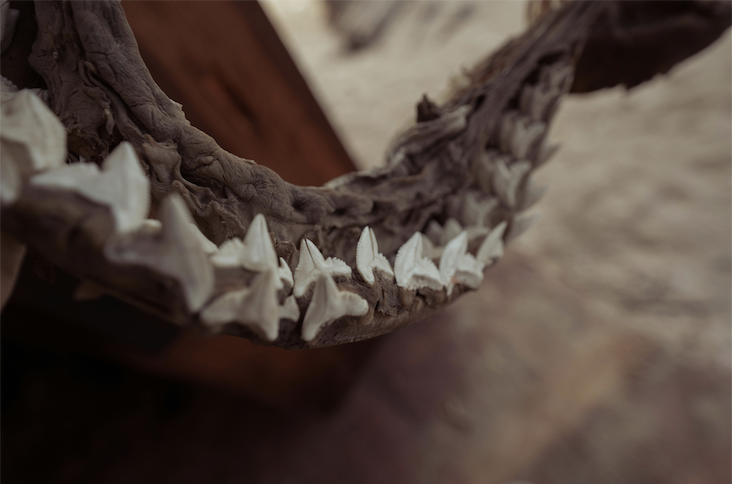
The best spots for finding shark teeth include Caspersen Beach in Venice, where the long stretch of sand and pebble accumulations yield abundant discoveries. Head there at low tide or after a storm for the highest chances. Manasota Key and Englewood Beach also offer prime hunting grounds, with their quieter atmospheres allowing for peaceful searches. On the east coast, St. Augustine Beach provides a different vibe, with darker sand and smaller teeth from modern sharks mixed in with fossils. Tools like a sifter or “Florida snow shovel” can help sift through the gravel, but many prefer the simple joy of scanning the waterline barefoot.
What kinds of shark teeth can you find? Common ones include those from tiger sharks, with their curved, serrated edges, or bull sharks, broad and triangular. Rarer prizes are megalodon teeth, massive fossils from the extinct giant that roamed these waters eons ago. These can reach up to 7 inches long, though most beach finds are smaller. Remember to respect the environment—take only what you need and leave no trace. Shark tooth hunting is family-friendly, educational, and free, making it an ideal outing for visitors and locals alike.
Beyond the thrill of the hunt, learning about these fossils adds depth to the experience. Shark teeth are not actually teeth but modified scales, and sharks shed thousands in their lifetime. In Florida, the warm waters and nutrient-rich sediments preserve them well, turning them black or gray over millennia. If you’re new to this, join a guided tour in Venice or visit the Venice Beach Pavilion for tips. Safety first: Watch for jellyfish, strong currents, and sun exposure. With patience, even beginners can fill a pouch with souvenirs.
In conclusion, exploring shark teeth on Florida beaches combines adventure, history, and relaxation. Whether you’re planning a day trip or a tourist soaking up the sun, this activity highlights the state’s unique geological heritage. Next time you’re at the beach, look down—you might just uncover a piece of the past.